The Bioactivity of Caffeine: Analyzing the Scientific Mechanisms Behind Its Stimulation of Hair Follicles and Inhibition of Hair Loss
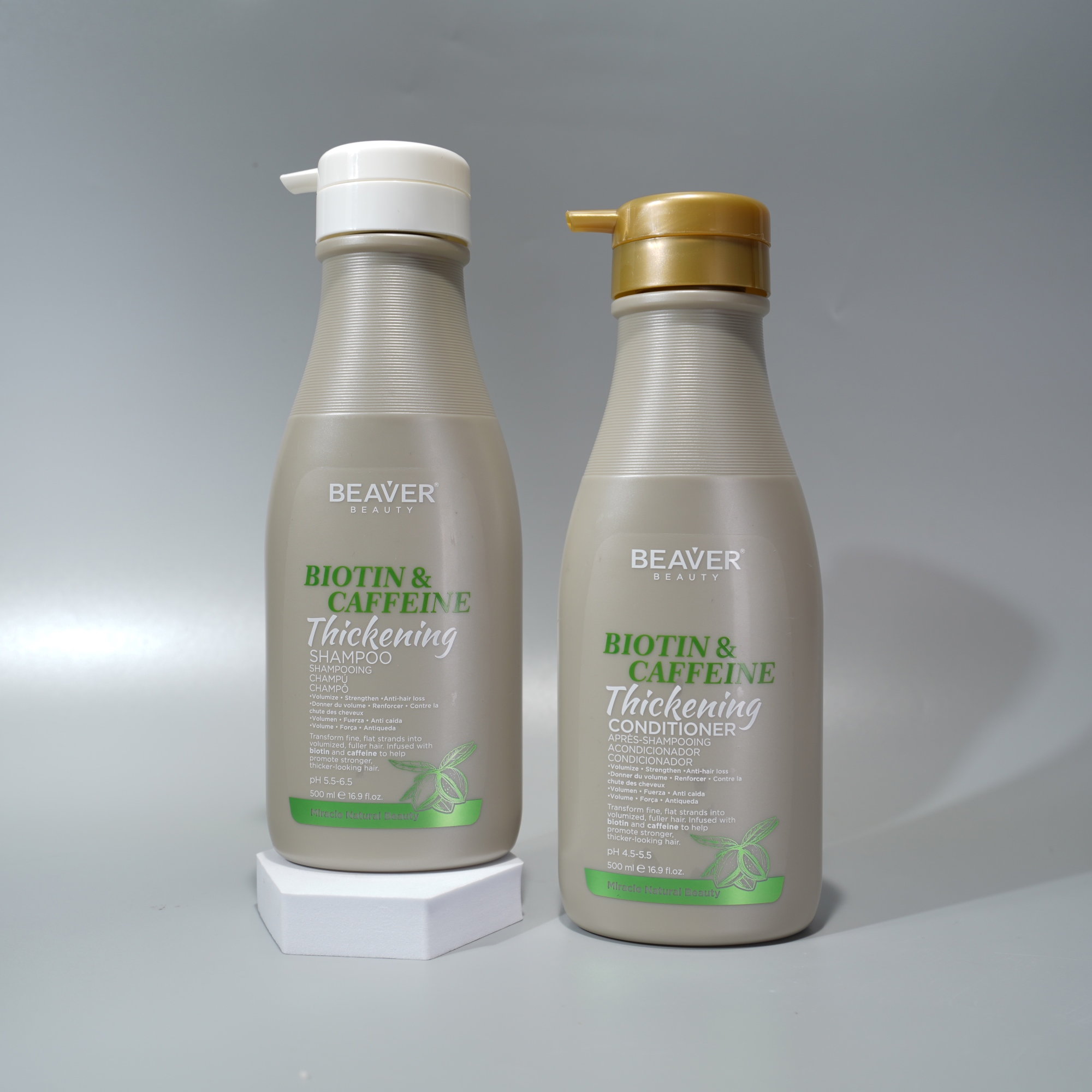
In the field of functional hair care, caffeine is no longer merely an ingredient in beverages designed to boost alertness. As a potent bioactive alkaloid, it has demonstrated exceptional scientific efficacy in topical treatments targeting hair loss and hair growth. For consumers seeking effective and evidence-based solutions, understanding the interaction between caffeine and hair follicles is the first step in choosing a high-performance hair care regimen.
1. Potent DHT Antagonism
One of the most common causes of hair loss in both men and women is dihydrotestosterone (DHT). This hormone attacks genetically susceptible hair follicles, causing them to gradually shrink and shorten their growth cycle.
One of the core mechanisms of caffeine-based hair care lies in its potential to inhibit DHT. Studies have shown that caffeine can counteract DHT’s inhibitory effect on protein synthesis in hair follicles. When applied topically, caffeine penetrates the scalp barrier to act directly on hair follicles. By blocking DHT’s destructive pathway, it prevents follicles from prematurely entering the telogen phase, effectively alleviating hair loss caused by hormonal fluctuations.
2. Stimulating Scalp Microcirculation
The health of hair follicles is highly dependent on the supply of oxygen and nutrients delivered by blood circulation. Caffeine is a natural vasodilator that can significantly improve scalp microcirculation.
When caffeine penetrates the subcutaneous tissue, it stimulates vasodilation and increases blood flow in the capillaries. This enhanced circulation ensures that essential nutrients (such as amino acids and vitamins) are delivered more efficiently to the hair roots, providing the foundation for rapid division of the hair matrix cells. This physical optimization of circulation is a key step in stimulating hair follicle vitality.
3. Extending the Anagen Phase
The hair growth cycle consists of the anagen (growth), catagen (transition), and telogen (resting) phases. At the cellular and molecular levels, caffeine can significantly extend the anagen phase.
By inhibiting phosphodiesterase, caffeine increases intracellular cyclic adenosine monophosphate (cAMP) levels. cAMP is a crucial signaling molecule in cellular metabolism; it stimulates cell proliferation and accelerates hair shaft growth. This means that using caffeine-infused shampoos or scalp serums not only promotes faster hair growth but also ensures that hair strands remain healthy for a longer period before shedding, thereby improving the visual density of hair.
4. Conclusion: Science-Driven Scalp Care
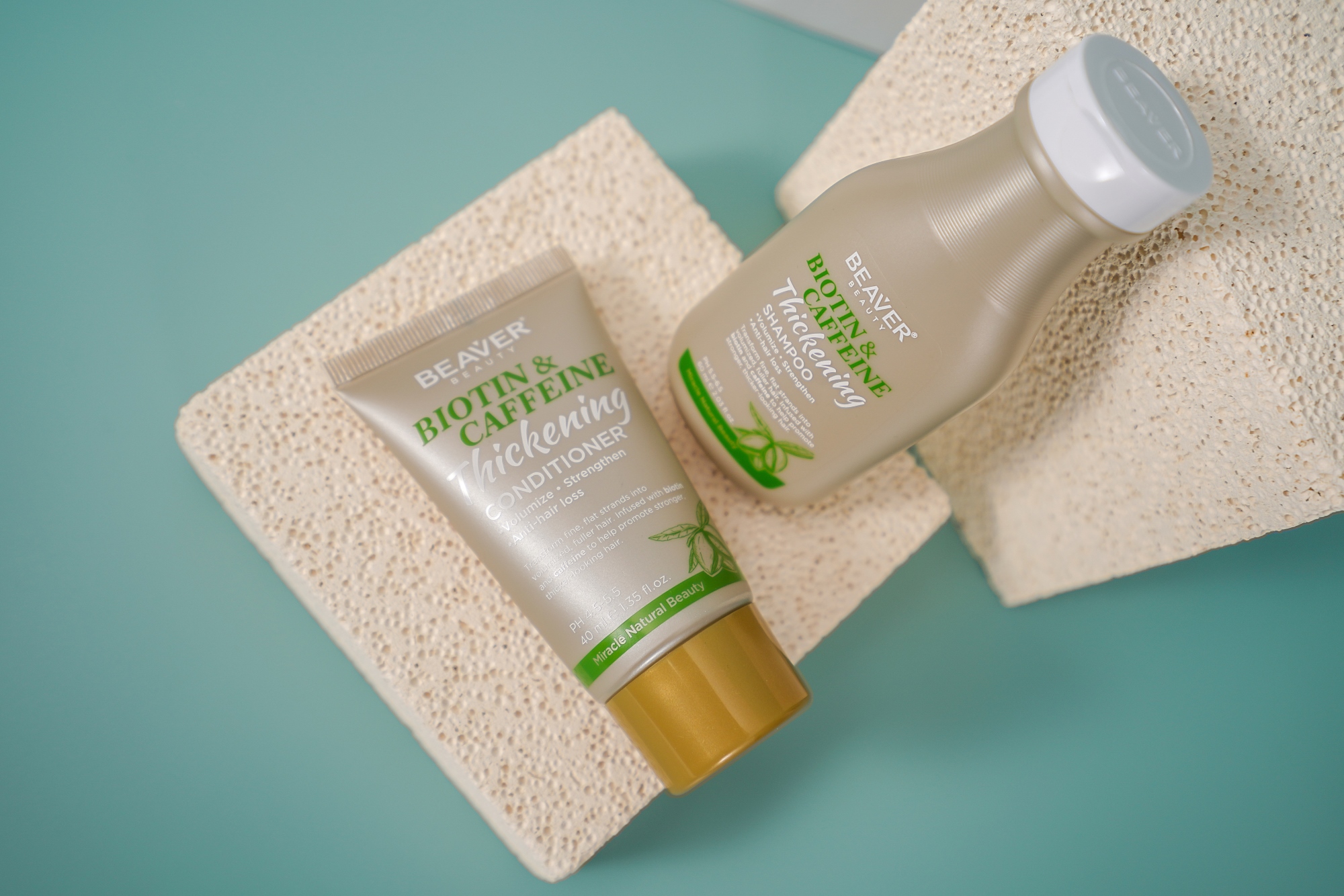
Caffeine is not a “magic ingredient” that delivers instant results, but rather a long-term care solution based on biochemical principles. By inhibiting DHT, optimizing scalp microcirculation, and enhancing hair follicle metabolism, it creates a favorable environment for hair growth. For brands committed to providing transparent, science-based hair care solutions, the synergistic use of caffeine with biotin or amino acids can establish a comprehensive system for preventing hair loss and strengthening hair strands.


An In-Depth Analysis of the Mechanisms Behind Biotin’s Effects on Hair Growth and Keratin Production
Deep Conditioning: Understanding How to Scientifically Choose a Hair Mask Based on the Structure of the Cortex
Related blog