The Science Behind Africa's "Liquid Gold" : Analyzing Marula Oil's Mechanisms for Hair Hydration and Barrier Repair
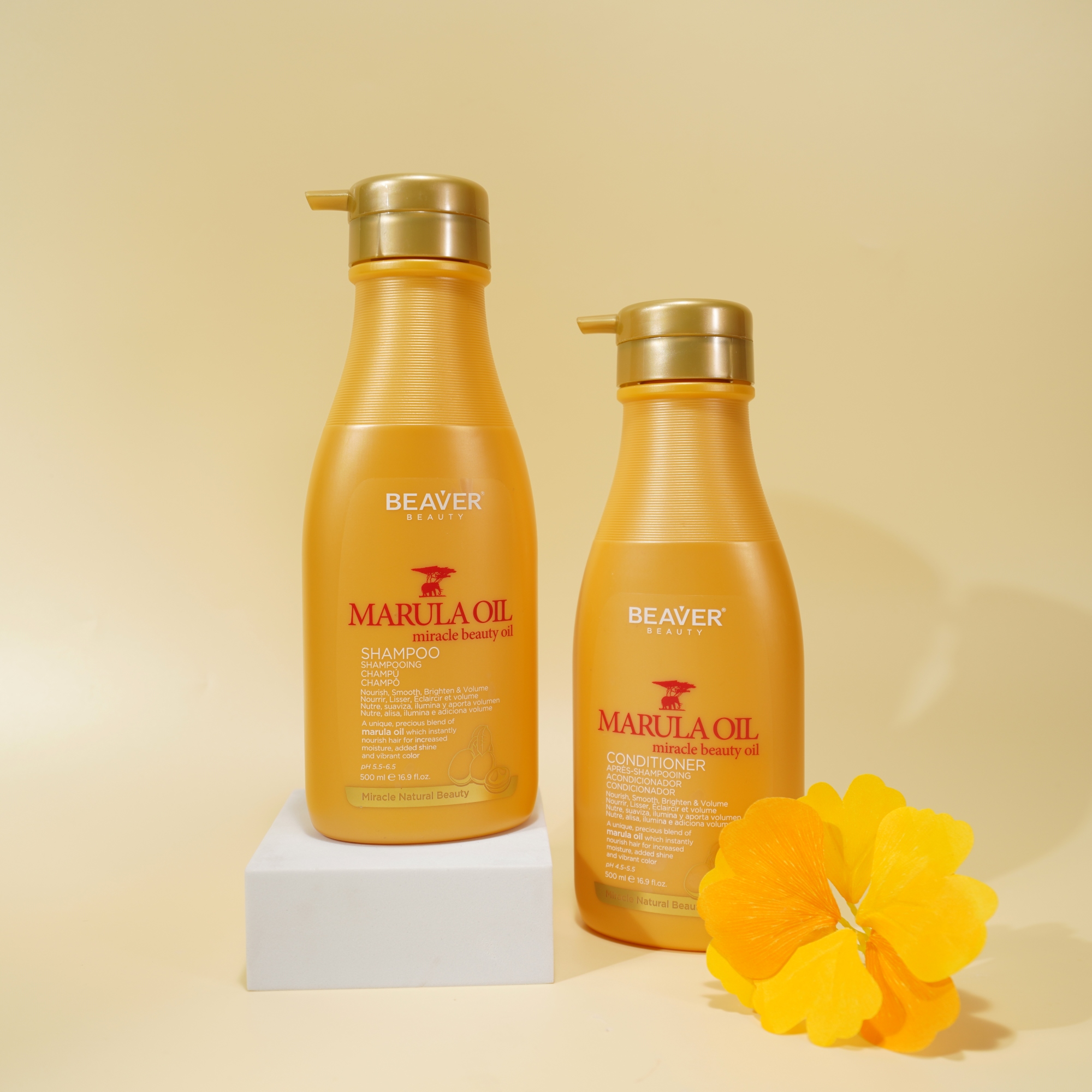
In the quest for highly effective and pure botanical hair care ingredients, Marula Oil has emerged as a star ingredient in premium hair care formulations thanks to its unique molecular structure. Unlike traditional, heavy plant oils, this natural oil from Africa provides deep nourishment while maintaining excellent penetrability. For consumers focused on ingredient science, Marula Oil is an exceptional choice that balances physical protection with biological activity.
1. Exceptional Fatty Acid Profile: Achieving Efficient Hydration (High Oleic Acid for Hydration)
Dry hair often results from internal moisture loss caused by damage to the cuticle layer (hair cuticles). Marula oil contains up to 70%–78% monounsaturated fatty acids—specifically oleic acid.
This high concentration of fatty acids gives it exceptional skin affinity. Compared to other plant oils with larger molecular weights, marula oil penetrates the hair shaft more effectively, replenishing the internal lipid matrix to provide long-lasting hydration. It forms a breathable protective layer on the hair surface, mimicking the natural sebum barrier, to reduce frizz without weighing the hair down, restoring silky smoothness and shine.
2. Powerful Antioxidant Defense: Protection Against Environmental Damage
Hair degradation (such as brittleness and color fading) is largely caused by free radicals generated by UV rays and pollution. Antioxidant hair care is essential for maintaining long-term hair health.
Marula oil contains approximately four times the vitamin C of an orange and is rich in vitamin E (tocopherol) and flavonoids. These antioxidants neutralize free radicals and protect the keratin in hair strands from oxidative stress. For users who frequently use heat styling tools or are exposed to sunlight, a lightweight hair oil containing marula oil acts as a natural protective shield, significantly reducing internal structural breakage caused by heat damage.
3. Repairing Split Ends and Improving Hair Texture
The ends of the hair are the most vulnerable parts; a long-term lack of oil protection can lead to fiber breakage. The micro-molecular properties of marula oil allow it to fill the gaps between hair cuticles.
This “physical filling” action instantly bonds damaged fibers, delivering a noticeable visual and tactile improvement in split-end repair. Because its composition is extremely stable and highly antioxidant, it does not rapidly oxidize and develop an off-odor in the air like some unstable oils, ensuring hair remains fresh and healthy-looking all day long.
4. Conclusion: The Lightweight Choice in Scientific Formulations
Marula oil’s success lies in its ability to break the stereotype that “nourishment must be greasy.” It is not only an excellent moisturizer but also a multifunctional bioactive protective agent. By incorporating this lightweight hair oil into your daily care routine, you can achieve comprehensive protection from root to tip.

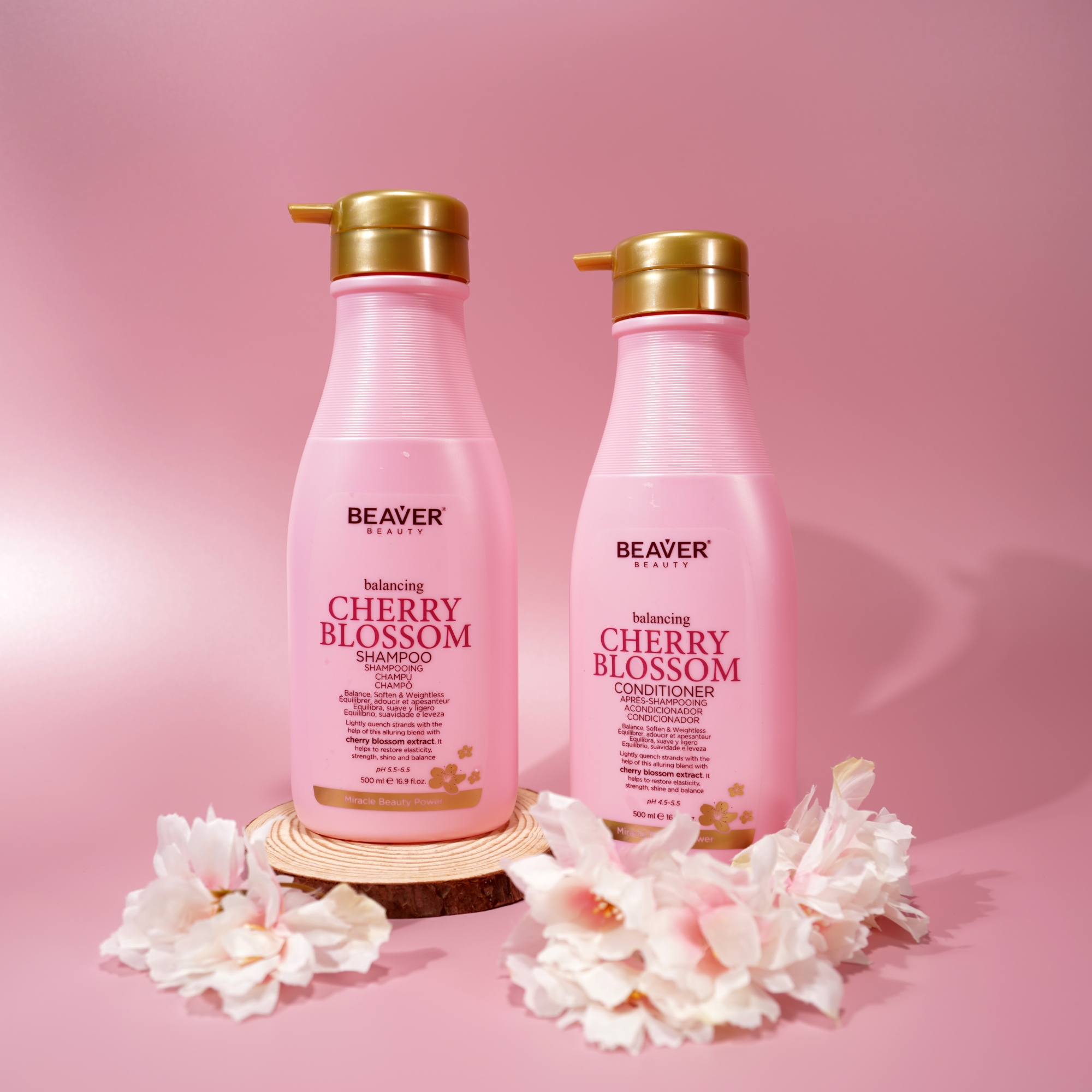
The Botanical Powerhouse: How Cherry Blossom Oil Revitalizes Hair
An In-Depth Analysis of the Mechanisms Behind Biotin’s Effects on Hair Growth and Keratin Production
Related blog