Don't Let High Heat Ruin Your Hair: Uncovering the “Hidden Damage” Caused by Heat Styling Tools
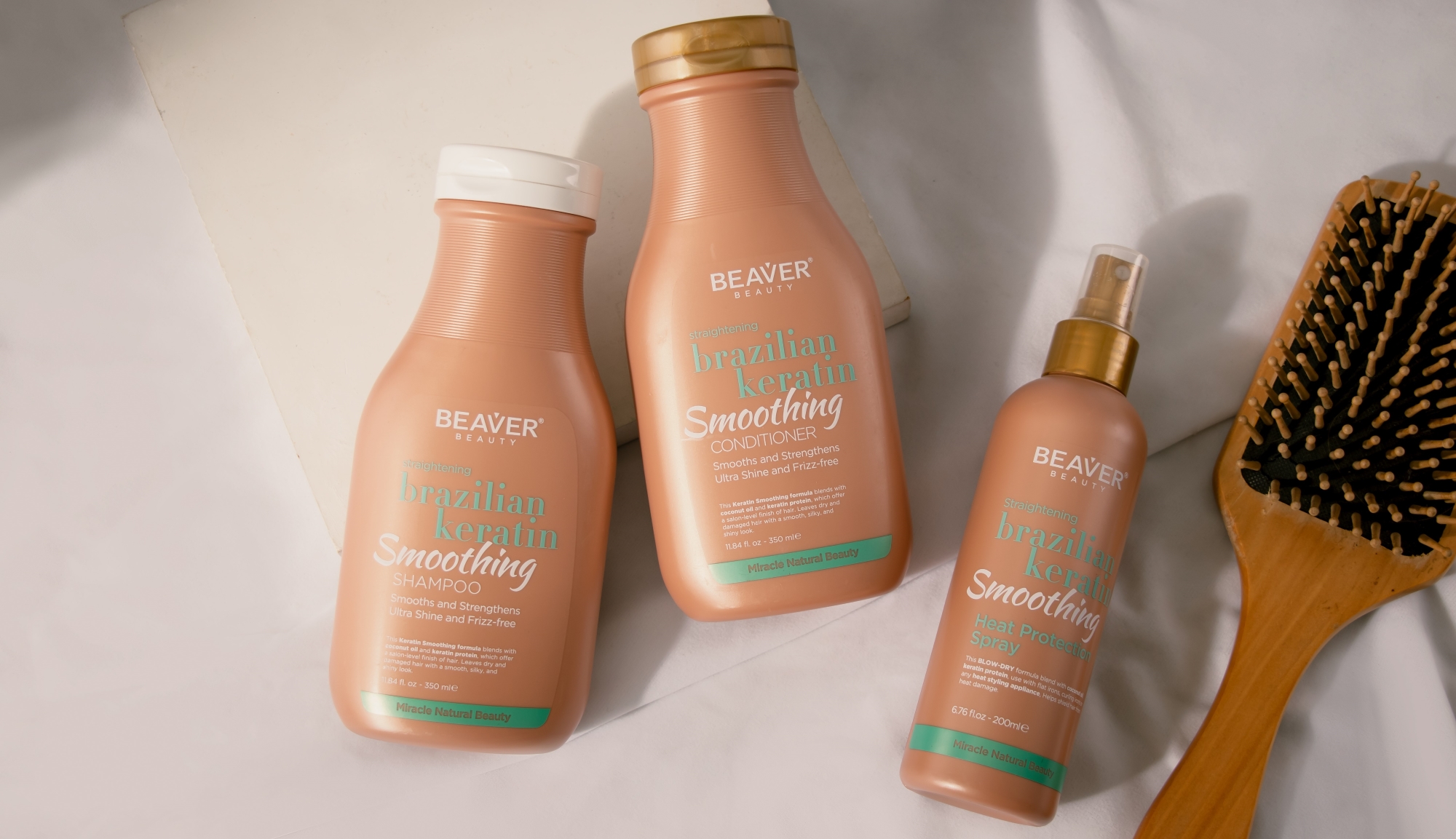
In the quest for the perfect hairstyle, hair dryers, flat irons, and curling irons are undoubtedly our most reliable allies. Whether it’s a quick touch-up before heading out in the morning or a polished look before a date, heat styling tools can instantly give us a fresh new look.
However, behind this “beauty,” your hair may be silently suffering irreparable damage. Today, we’ll take an in-depth look at exactly how these high temperatures—often exceeding 150°C—affect your hair.
However, behind this “beauty,” your hair may be silently suffering irreparable damage. Today, we’ll take an in-depth look at exactly how these high temperatures—often exceeding 150°C—affect your hair.
1. A Protein’s “Nightmare”: Structural Denaturation
The primary component of hair is keratin. This protein maintains the hair’s shape and elasticity through hydrogen bonds and disulfide bonds.
· Scientific Fact: When the temperature of styling tools exceeds 130°C, the proteins in the hair begin to undergo physical denaturation.
· Consequences: Once strong and resilient strands become brittle and prone to breakage. If you notice your hair has lost its former volume and breaks easily when pulled, these are signs of protein damage.
2. The “Popcorn Effect”: Rapid Water Loss
Have you ever seen white smoke rise while straightening your hair? That’s not just steam—it’s the “vitality” of your hair being lost.
· The Science: When wet hair is exposed to high heat (such as from a flat iron), the moisture inside the hair shaft instantly boils and turns into steam.
· The Consequence: This sudden expansion creates tiny bubbles within the hair shaft, medically known as **“bubble hair”**. This causes the hair to become dry as straw, with a noticeably coarse texture.
Have you ever seen white smoke rise while straightening your hair? That’s not just steam—it’s the “vitality” of your hair being lost.
· The Science: When wet hair is exposed to high heat (such as from a flat iron), the moisture inside the hair shaft instantly boils and turns into steam.
· The Consequence: This sudden expansion creates tiny bubbles within the hair shaft, medically known as **“bubble hair”**. This causes the hair to become dry as straw, with a noticeably coarse texture.
3. The “Armor” of the Cuticles Is Shattered
The surface of healthy hair is covered with neatly arranged cuticles, much like fish scales. These cuticles are responsible for locking in moisture and reflecting shine.
· Damage Process: High heat causes the cuticles to open abnormally, lift up, or even peel off.
· Consequences: The unprotected hair shaft is directly exposed to the air, causing the hair to lose its shine, become prone to tangling, and be highly susceptible to secondary damage from UV rays and environmental pollution.
How to Balance “Styling” and “Hair Health”?
Completely giving up heat styling tools isn’t realistic, but you can minimize damage by following these steps:
1. Never skip heat protectant spray: Apply a heat protectant product before using any heat styling tool. These products form a protective barrier on the hair shaft, slowing heat transfer.
2. Temperature control is key: Most hair types do not require temperatures as high as 200°C. It is recommended to keep the temperature between 150°C and 180°C.
3. Follow the “70% dry” rule: Before using a straightener or curling iron, ensure your hair is at least 90% dry—whether air-dried or dried using a hairdryer on the cool setting.
4. Invest in smart temperature-controlled devices: Modern high-end hair dryers are typically equipped with smart temperature control technology (such as monitoring air temperature hundreds of times per second), which effectively prevents localized overheating.
Conclusion
Our hair is our “second face.” Although it has no nerves and cannot cry out in pain, it sends you distress signals through dryness and breakage. Start by lowering the temperature of your styling tools each time—take good care of it.
Our hair is our “second face.” Although it has no nerves and cannot cry out in pain, it sends you distress signals through dryness and breakage. Start by lowering the temperature of your styling tools each time—take good care of it.

Hair Oil—The Underrated “Cuticle Repair Expert”
Don't Let High Heat Steal Your Hair's Shine: Unveiling the Magic of Heat Protection Spray's "Invisible Shield"
Related blog