How to Solve the Greasy Hair Problem?
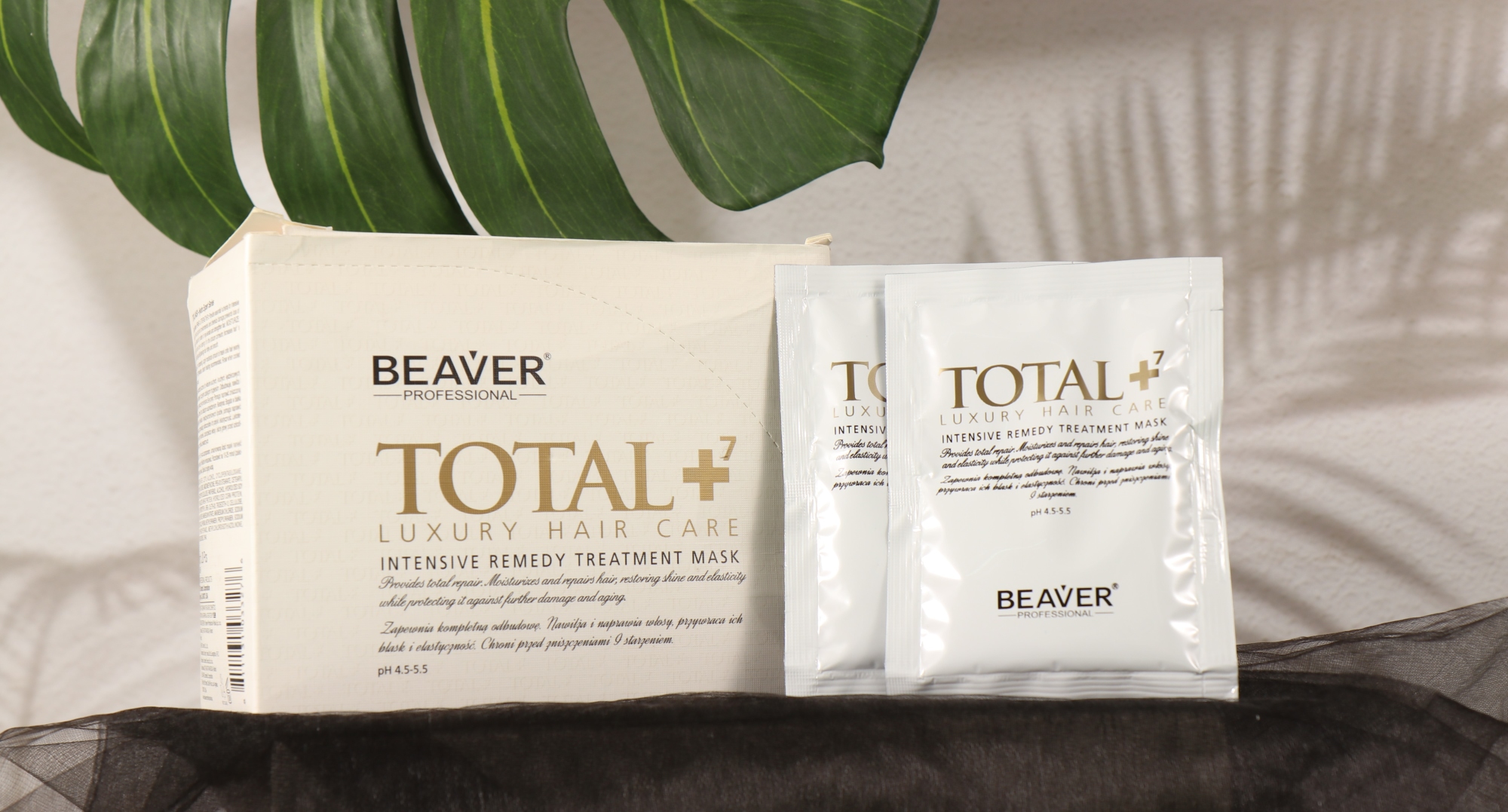
Dealing with greasy hair can be frustrating, but the good news is that it’s manageable with the right hair care routine and lifestyle changes. Greasy hair occurs when your scalp produces excess sebum, leading to an oily appearance. Here are effective ways to tackle the issue and achieve clean, fresh-looking hair.
1. Wash Your Hair Properly
Use the Right Shampoo: Opt for a gentle, clarifying shampoo or a sulfate-free shampoo designed for oily hair. Look for ingredients like tea tree oil, peppermint, or charcoal that help balance oil production.
Don’t Overwash: Washing your hair too frequently can strip it of natural oils, causing your scalp to overproduce sebum. Stick to washing 2–3 times a week.
Rinse Thoroughly: Ensure you rinse out all the shampoo and conditioner to avoid buildup, which can make your hair greasy.
2. Condition Strategically
Apply conditioner only to the mid-lengths and ends of your hair. Avoid the roots as they naturally get more oil from your scalp.
Choose lightweight conditioners or leave-in sprays designed for fine or oily hair.
3. Use Dry Shampoo
Dry shampoo is a lifesaver for greasy hair. It absorbs excess oil, adds volume, and extends the time between washes. Apply it to your roots, let it sit for a few minutes, and then brush through your hair.
4. Avoid Touching Your Hair
Touching your hair frequently transfers oils from your hands to your strands, making it appear greasier. Try to keep your hands off your hair throughout the day.
5. Avoid Heavy Styling Products
Styling products like waxes, pomades, and heavy serums can weigh your hair down and contribute to greasiness. Use lightweight products like sea salt sprays or volumizing mousses instead.
6. Choose the Right Brush
Use a boar bristle brush to evenly distribute natural oils from your scalp through the length of your hair. This reduces the concentration of oil at the roots.
7. Maintain a Healthy Scalp
Exfoliate your scalp once a week with a scalp scrub or a DIY mixture of sugar and your favorite shampoo. This removes buildup and regulates oil production.
Use a scalp treatment or shampoo with ingredients like salicylic acid or zinc pyrithione to manage oiliness.
8. Watch Your Diet
Your diet plays a role in hair health. Reduce your intake of greasy and sugary foods, and eat more foods rich in omega-3 fatty acids, biotin, and vitamins to support healthy hair.
9. Be Mindful of Heat Styling
Excessive heat styling can stimulate oil production. Air-dry your hair whenever possible and limit the use of blow dryers and flat irons.
10. Try Apple Cider Vinegar Rinse
An apple cider vinegar rinse can help balance your scalp’s pH level and control oiliness. Mix one part vinegar with two parts water, apply to your scalp after shampooing, and rinse thoroughly.
11. Use the Right Pillowcase
Switch to a silk or satin pillowcase, which is gentler on your hair and doesn’t absorb oils like cotton does. Wash your pillowcases regularly to prevent the transfer of oils.
Managing greasy hair requires a consistent routine and some trial and error to find what works best for your hair type. With these tips, you’ll be able to keep your hair looking clean, fresh, and full of life. If the problem persists despite your efforts, consider consulting a dermatologist to rule out any underlying scalp conditions.
The Best Hair Styling Powder For Daily Using
How to Use Hair Wax for Styling