Scientific Hair Care: How to Choose the Best Hair Oil for Your Hair Type and Porosity?
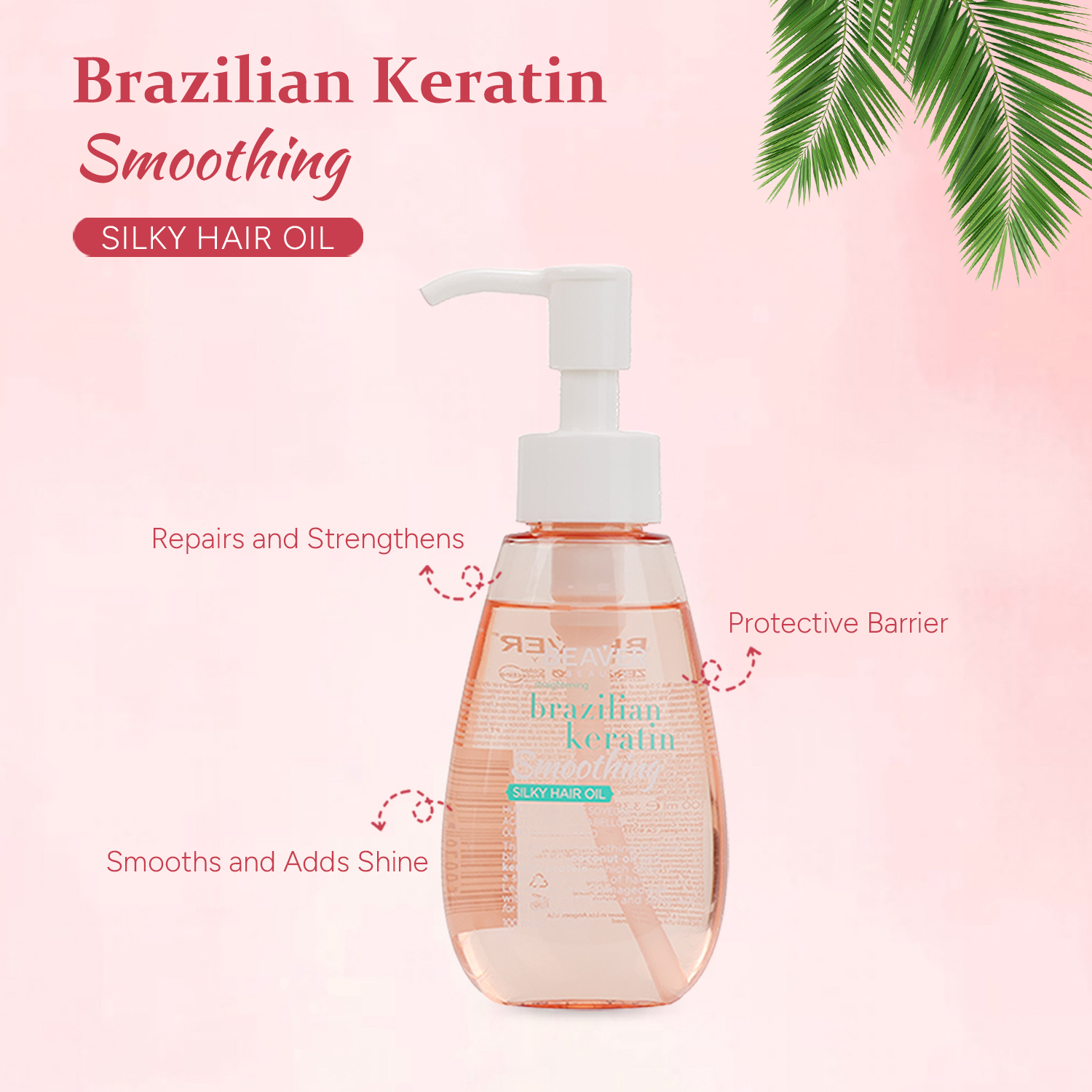
In the world of hair care, hair oil is often hailed as “liquid gold.” However, many people report that their hair feels too greasy or that they see no restorative benefits after use. This is usually because they overlook the importance of matching the hair’s physiological characteristics with the molecular structure of the oil.
1. Understanding Hair Porosity
The primary criterion for selecting a hair oil is not price, but hair porosity.
· High Porosity: Typically found in damaged hair or hair that has been chemically treated (permed or dyed). The cuticles are open, causing moisture to evaporate very quickly.
· Low Porosity: The hair structure is tight, making it difficult for moisture and nutrients to penetrate.
2. Selecting Active Ingredients Based on Your Needs
For Frizzy and Damaged Hair: If you’re struggling with frizzy hair, we recommend oils with a moderate molecular weight that are rich in fatty acids. Argan oil is widely recognized as a “jack-of-all-trades.” It not only fills gaps in damaged cuticles but also provides deep hair repair and enhances hair elasticity.
For Fine and Thin Hair: Heavy oils are a major no-no for fine hair. We recommend looking for lightweight hair oils. Plant oils with smaller molecular structures—such as camellia oil or grape seed oil—can provide a natural, healthy shine without weighing down the hair.
For Scalp Health and Balance: If your focus is on scalp health, functional ingredients like tea tree oil or ginger oil are ideal choices, as they help purify hair follicles and balance sebum production.
3. Application Techniques: Maximizing Absorption
How you apply hair oil also determines the final results. It is recommended to use it when your hair is 70–80% dry, as the cuticles are slightly open at this stage, allowing the oil to penetrate more effectively into the hair shaft. Dispense 1–2 pumps of oil into your palms, rub it between your hands, and apply it primarily to the ends of your hair, avoiding the areas near the roots.
4. Conclusion
Selecting a hair oil is a precise match between natural botanical lipids and your individual hair type. Rather than chasing trends, it’s better to return to a rational analysis of ingredients. A high-quality oil not only provides immediate smoothness but also improves the hair’s biological properties through long-term nourishment from natural extracts.

Rational Hair Care: How to Choose the Best Conditioner for You Based on Biological Mechanisms?
Hair Oil—The Underrated “Cuticle Repair Expert”
Related blog