Rational Hair Care: How to Choose the Best Conditioner for You Based on Biological Mechanisms?
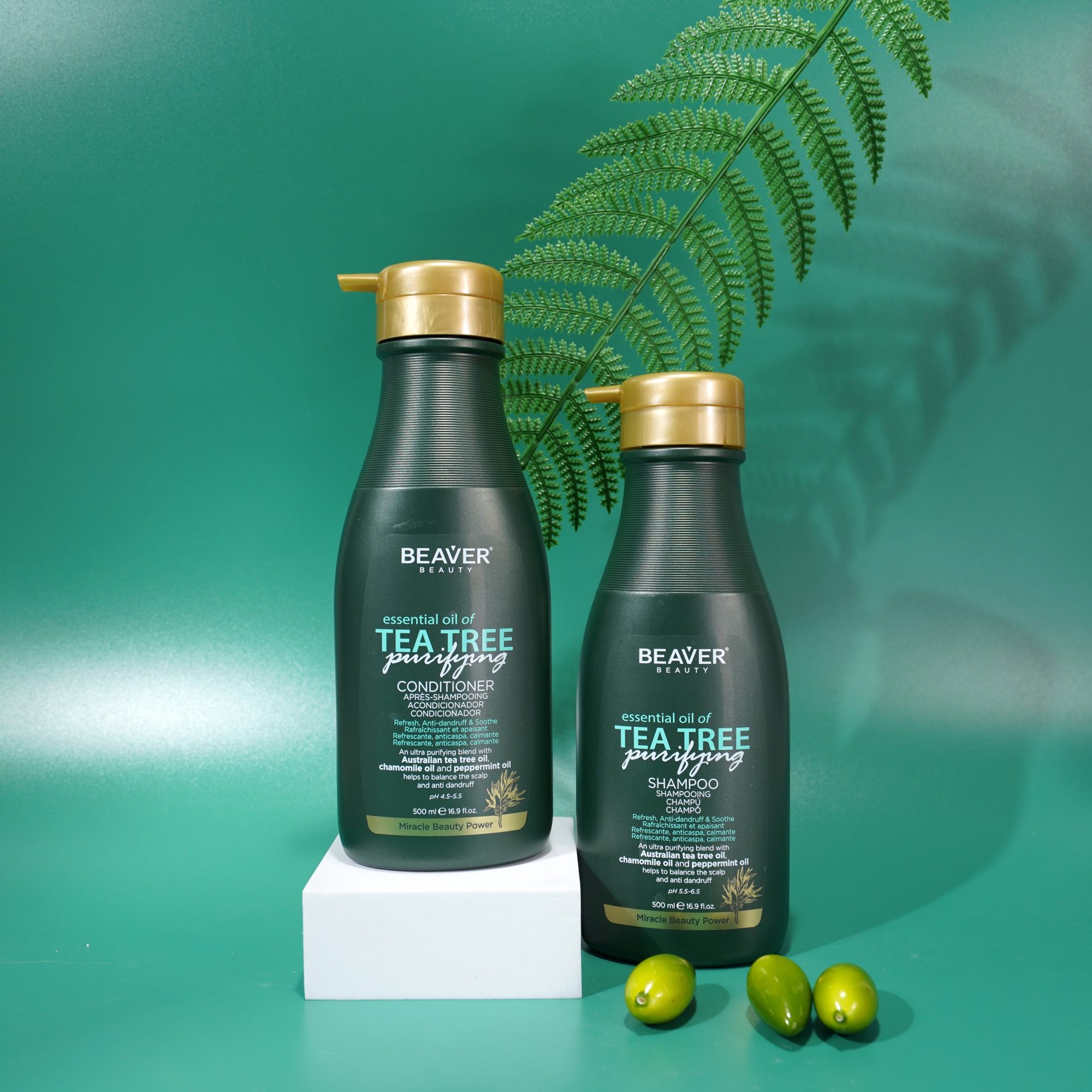
In a professional hair care routine, a conditioner plays a role that goes far beyond simply “smoothing” the hair. From a biochemical perspective, the anionic surfactants in shampoo cleanse the hair while imparting a negative charge to the strands, causing the cuticles to open. The core function of an excellent conditioner is to restore charge balance and rebuild the hydrophobic protective layer on the hair surface.
1. Core Mechanism: Cationic Charge Neutralization
When selecting a hair conditioner, the first consideration should be its chemical logic. Damaged hair typically carries a higher negative charge, so products containing cationic surfactants are needed. These positively charged molecules adhere to damaged areas through electrostatic attraction, smoothing out raised cuticles and achieving an immediate cuticle-sealing effect.
2. Matching Ingredients to Damage Levels
· For Chemically Treated Hair:
Due to protein loss caused by chemical treatments like perming and coloring, simple moisturization is insufficient. You need formulas containing keratin or amino acid hair care ingredients. These small molecules can penetrate the hair shaft, filling the voids created by exposed cortex and providing structural support for dry and damaged hair.
· For Fine and Oily Hair:
This hair type should avoid excessive amounts of heavy silicones (such as Dimethicone). It is recommended to choose pH-balanced hair care products containing lightweight plant-based lipids (such as jojoba oil). This not only seals the cuticles but also maintains the hair’s oil-water balance, preventing a flat, lifeless appearance.
3. pH Levels and Cuticle Management (The Role of pH in Hair Care)
A healthy hair environment maintains a pH level between 4.5 and 5.5. High-quality conditioners are typically formulated to be slightly acidic, which effectively aids in closing the cuticles after shampooing. When selecting a conditioner, understanding a product’s ability to balance pH is a key indicator of whether it meets “professional-grade” repair standards.
4. Conclusion: Moving from Sensory Experience to Scientific Decision-Making
When choosing a conditioner, one should not blindly pursue an instant silky feel. True deep repair stems from the precise alignment of active ingredients with the physical properties of the hair shaft. By building a long-lasting hydrophobic barrier, we can ensure that hair remains resilient and lustrous even when faced with complex environmental challenges.


Deep Conditioning: Understanding How to Scientifically Choose a Hair Mask Based on the Structure of the Cortex
Scientific Hair Care: How to Choose the Best Hair Oil for Your Hair Type and Porosity?
Related blog