In-Depth Analysis: Conditioner, Hair Mask, or Hair Oil—Which Does Your Hair Truly Need?
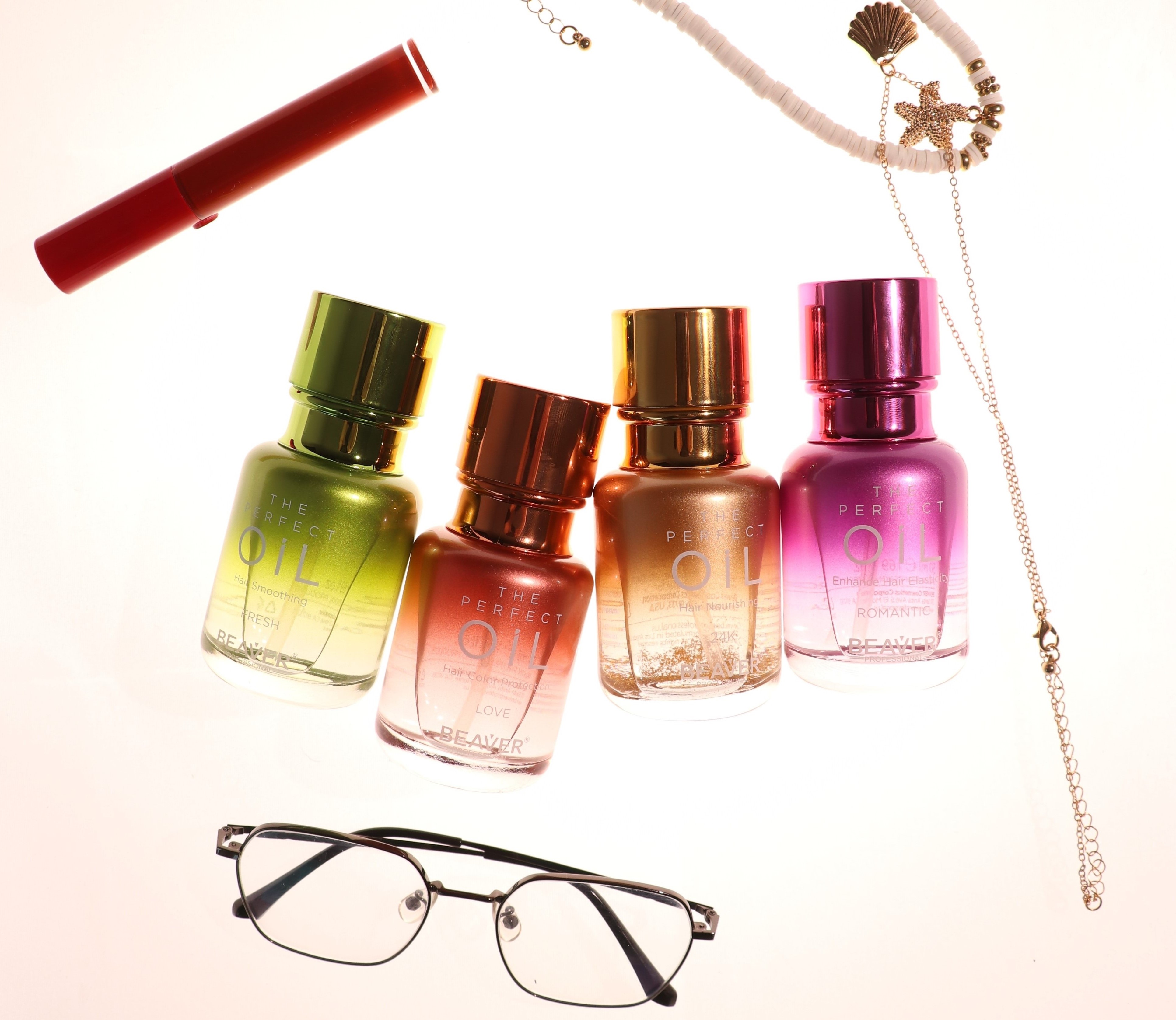
In daily hair care routines, many are overwhelmed by the vast array of products available. Is conditioner essential? Can a hair mask replace conditioner? And when should hair oil be incorporated into your regimen?
As a brand deeply rooted in professional hair care, BEAVER understands that grasping the science behind products is the first step to achieving salon-quality hair. Today, we break down the differences between these “three hair care essentials” by examining their molecular structure, penetration depth, and core functions.
As a brand deeply rooted in professional hair care, BEAVER understands that grasping the science behind products is the first step to achieving salon-quality hair. Today, we break down the differences between these “three hair care essentials” by examining their molecular structure, penetration depth, and core functions.
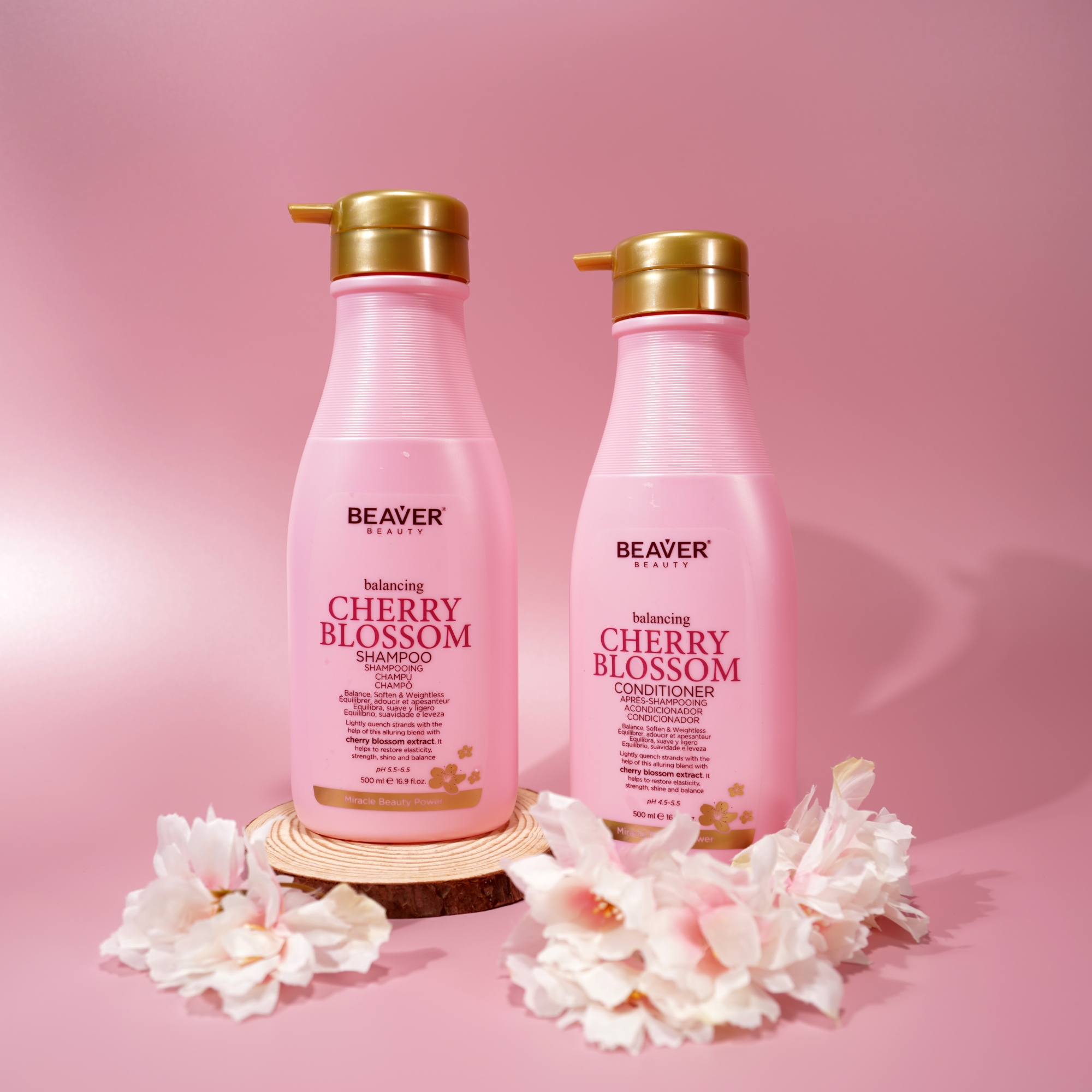
1. Conditioner: Your Daily “Hydration Coat”
Conditioner is an essential step after shampooing. Its core function is to close the cuticle.
· How It Works: Shampoo's mildly alkaline formula or surfactants gently lift cuticles to cleanse impurities. Conditioner, typically mildly acidic, instantly neutralizes static electricity and smooths raised cuticles.
· Penetration Depth: Remains only on the cuticle surface, forming an ultra-thin protective layer.
·Usage Recommendations: Apply after every shampoo. Recommended dwell time: 1–3 minutes.
·BEAVER Expert Tip: Conditioner cannot repair internal damage to the hair shaft. Its primary function is to provide immediate smoothness and prevent moisture loss.
2. Hair Mask: Deep “Nutritional Surgery”
If conditioner is like a moisturizing cream, then hair mask is a deep-repair facial treatment.
·How It Works: Hair masks contain high concentrations of proteins, amino acids, and lipids with extremely small molecular weights. These penetrate beyond the surface cuticle layer into the cortex.
·Penetration Depth: Reaches deep into the hair shaft. It aims to replenish fiber tissue lost through chemical treatments and UV exposure, rebuilding hair structure from within.
·Usage Recommendations: Apply 1–2 times weekly. After application, wrap hair in a warm towel for 10–15 minutes to enhance nutrient penetration through heat.
·BEAVER Expert Tip: Follow with a small amount of conditioner to seal in freshly replenished nutrients.
3. Hair Oil: The Final “Shine Barrier”
Hair oil is a **leave-in** treatment that acts as both a nourishing agent and a post-styling shine enhancer.
· How It Works: Natural plant oils (like argan oil and marula oil) coat each strand, creating a long-lasting hydrophobic barrier.
·Key Functions:
·Heat Protection: Apply before blow-drying or styling tools to reduce heat damage.
·Frizz Control: Instantly smoothes flyaways and boosts shine.
·Deep Nourishment: Provides immediate rescue for severely dry ends.
·Usage Tips: Apply to damp hair after shampooing (for easier detangling) or to dry hair (for added brightness).
Summary: BEAVER's Customized Care Recommendations
· For Healthy Hair: Daily use of BEAVER Basic Conditioner maintains shine.
· For Frequent Color/Perming/Damaged Hair: Incorporate BEAVER Professional Repair Mask into your weekly routine to restore damaged disulfide bonds and keratin.
· For dry, frizzy hair: Carry a bottle of BEAVER Hair Oil to instantly recharge your locks with “aurora” energy.
· For Healthy Hair: Daily use of BEAVER Basic Conditioner maintains shine.
· For Frequent Color/Perming/Damaged Hair: Incorporate BEAVER Professional Repair Mask into your weekly routine to restore damaged disulfide bonds and keratin.
· For dry, frizzy hair: Carry a bottle of BEAVER Hair Oil to instantly recharge your locks with “aurora” energy.
True professional care isn't about layering products, but precise scientific combinations. Choose your BEAVER solution to infuse vitality into every strand.


Say Goodbye to “Straw-Like Hair”! 5 Secret Hair Oil Techniques Salon Stylists Never Share
From Dry to Silky: The Ultimate Beginner's Guide to Daily Hair Care
Related blog